
Families
What Are the Healthiest Fall Foods for Toddlers and Preschoolers?
Discover nutritious seasonal foods that support your child’s growth and development, plus simple ways to incorporate them into everyday meals and snacks.
As the weather cools and the leaves begin to change, fall brings a fresh opportunity to introduce your child to colorful, nutritious foods. From sweet potatoes and pumpkins to crisp apples and pears, the season is filled with ingredients that can help nourish growing bodies while making mealtimes fun and engaging.
For parents of toddlers and preschoolers, choosing healthy foods doesn’t have to mean preparing complicated recipes or convincing your child to love every vegetable. Building healthy eating habits starts with offering a variety of nutritious foods, creating positive experiences around meals, and allowing children to explore new flavors at their own pace.
At Children of America, we believe healthy habits are an important part of early childhood development. Understanding the nutritional benefits of seasonal foods can help families make informed choices and encourage a lifelong appreciation for balanced eating.
Why Are Seasonal Fall Foods Good for Young Children?
Fall fruits and vegetables offer a variety of essential nutrients that contribute to children’s normal growth and development.
One benefit of choosing seasonal produce is its potential nutritional advantage. Fruits and vegetables harvested at peak ripeness may retain more of certain vitamins and beneficial plant compounds than produce harvested early for long-distance transportation and storage. Some nutrients, particularly vitamin C, can decrease over time after harvesting.
However, seasonal produce isn’t automatically more nutritious than out-of-season produce. Nutrient content also depends on the variety, growing conditions, ripeness, transportation, storage, and preparation methods. Frozen and canned fruits and vegetables can also be excellent sources of nutrients.
Choosing produce that’s in season can offer families several benefits:
- Freshness and nutritional quality: Locally grown seasonal produce may spend less time in transportation and storage, helping preserve certain nutrients.
- Nutritional variety: Different seasonal fruits and vegetables provide different combinations of vitamins, minerals, fiber, and beneficial plant compounds.
- Healthy digestion: Fiber-rich fruits and vegetables contribute to digestive health and regular bowel movements.
- Food exploration: Seasonal ingredients introduce children to new colors, textures, and flavors.
- Family involvement: Shopping for, washing, and preparing seasonal produce together encourages children to become familiar with nutritious foods.
Remember, no single fruit or vegetable provides everything a growing child needs. Offering a variety of vegetables, fruits, whole grains, protein foods, and dairy or appropriate fortified alternatives helps children receive the nutrients they need to grow and thrive.
1. Pumpkin: A Colorful Source of Vitamin A
Pumpkin is one of fall’s most recognizable foods, and it’s also a nutritious ingredient that can be incorporated into meals throughout the season.
Its vibrant orange color comes from carotenoids, including beta-carotene, which the body can convert into vitamin A.
Why is pumpkin good for toddlers and preschoolers?
Pumpkin provides:
- Beta-carotene: Helps the body produce vitamin A, which supports normal vision and immune function.
- Dietary fiber: Contributes to healthy digestion.
- Potassium: Supports normal muscle and nerve function.
Easy ways to serve pumpkin:
- Stir plain pumpkin purée into oatmeal.
- Add pumpkin to homemade whole-grain pancakes.
- Mix pumpkin purée into soups or pasta sauces.
- Bake pumpkin muffins using whole-grain flour and modest amounts of added sugar.
Parent tip: Choose plain canned pumpkin rather than pumpkin pie filling, which typically contains added sugar and other ingredients. Plain canned pumpkin offers a convenient way to enjoy this seasonal food.
2. Sweet Potatoes: A Nutrient-Rich Fall Favorite
Sweet potatoes are naturally sweet, versatile, and easy to prepare in textures appropriate for young children.
Like pumpkin, orange-fleshed sweet potatoes contain beta-carotene, making them a valuable source of vitamin A.
What makes sweet potatoes a healthy choice for preschoolers?
Sweet potatoes provide:
- Vitamin A: Supports normal vision, growth, and immune function.
- Fiber: Helps maintain digestive regularity.
- Potassium: Contributes to normal muscle and nerve function.
- Carbohydrates: Provide energy for active, growing children.
Easy ways to serve sweet potatoes:
- Roast soft sweet potato cubes with olive oil and mild seasonings.
- Mash cooked sweet potatoes as a colorful side dish.
- Add sweet potatoes to homemade soups and stews.
- Serve soft, baked sweet potato wedges alongside a protein-rich food.
Parent tip: Prepare sweet potatoes until they are soft enough for your child’s chewing abilities. Cut them into age-appropriate pieces and allow them to cool before serving.
3. Apples: A Fiber-Rich Seasonal Snack
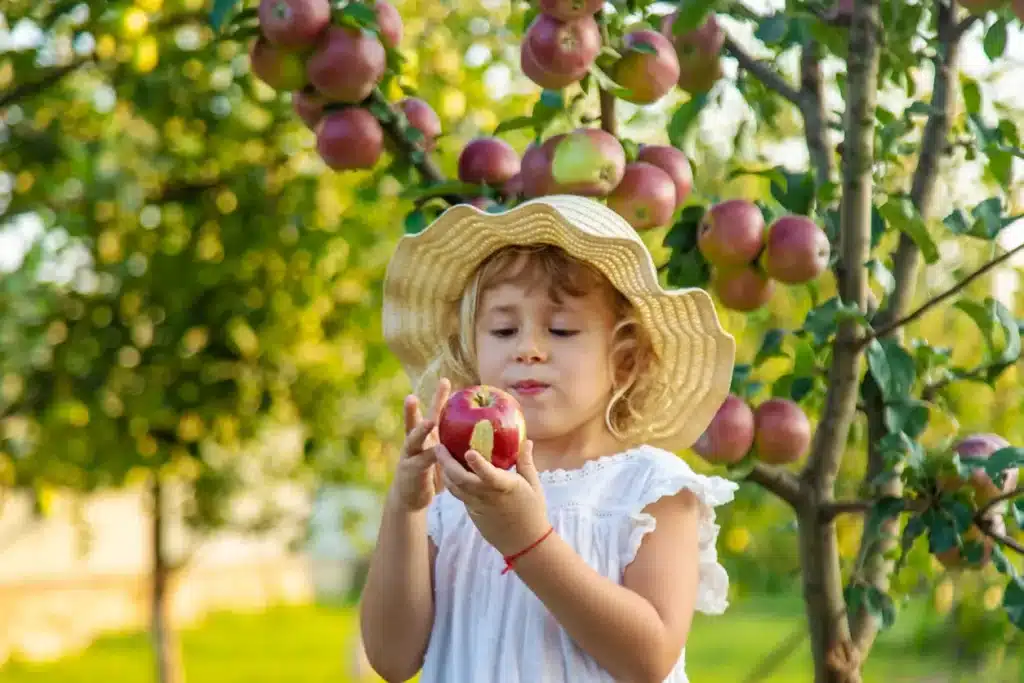
Apple picking is a favorite fall activity for many families, and apples can be a convenient addition to a child’s meals and snacks.
Apples provide dietary fiber, particularly when eaten with the skin, along with small amounts of vitamin C and other naturally occurring plant compounds.
What are the nutritional benefits of apples for young children?
Apples contain:
- Fiber: Supports healthy digestion.
- Vitamin C: Contributes to normal immune function and helps the body absorb iron from plant-based foods.
- Water: Contributes to daily fluid intake.
Easy ways to serve apples:
- Add soft, cooked apple pieces to oatmeal.
- Prepare homemade unsweetened applesauce.
- Bake apples with cinnamon for a naturally sweet snack.
- Mix finely chopped or cooked apples into whole-grain muffins.
Parent tip: Raw apple chunks can be a choking hazard for younger children. For toddlers, offer apples cooked until soft or prepared in another developmentally appropriate texture. Always supervise children while eating.
4. Pears: A Naturally Sweet Source of Fiber
Pears are another nutritious fall fruit that can be incorporated into breakfasts, snacks, and desserts.
Their naturally sweet flavor and soft texture when ripe make them a convenient option for introducing fruit to young children.
Why are pears a healthy snack for toddlers?
Pears provide:
- Dietary fiber: Supports digestive health and regular bowel movements.
- Vitamin C: Contributes to normal immune function.
- Water: Helps contribute to daily hydration.
Easy ways to serve pears:
- Add finely chopped ripe pears to oatmeal.
- Bake pear slices with cinnamon.
- Mix soft pear pieces into plain yogurt.
- Serve mashed or stewed pears as a simple fruit side.
Parent tip: Choose ripe pears that are soft enough for your child’s chewing abilities. Firmer pears can be cooked until tender.
5. Butternut Squash: A Versatile Fall Vegetable
Butternut squash is a naturally sweet winter squash that works well in soups, side dishes, and family-friendly meals.
Its orange flesh contains carotenoids, including beta-carotene, along with vitamin C, potassium, and fiber.
How does butternut squash support a balanced diet?
Butternut squash provides:
- Vitamin A precursors: Help the body produce vitamin A, which supports normal vision and immune function.
- Vitamin C: Supports normal immune function and collagen formation.
- Fiber: Contributes to digestive health.
- Potassium: Helps support normal muscle and nerve function.
Easy ways to serve butternut squash:
- Roast squash cubes until tender.
- Blend cooked squash into a creamy soup.
- Add mashed squash to pasta sauces.
- Combine roasted squash with rice, beans, or other family meal ingredients.
Parent tip: Introducing a familiar food in a new way can help children become more comfortable with different flavors and textures. If your child enjoys mashed sweet potatoes, try offering mashed butternut squash alongside them.
How Can Parents Encourage Toddlers and Preschoolers to Try New Fall Foods?
Introducing healthy foods during the preschool years is about more than providing nutrients. It’s also an opportunity to help children develop familiarity, confidence, and positive experiences around eating.
It’s common for toddlers and preschoolers to hesitate when presented with unfamiliar foods. Children may need repeated opportunities to see, touch, smell, or taste a food before feeling comfortable eating it.
Here are five simple ways to encourage healthy eating habits this fall.
1. Invite Your Child Into the Kitchen
Give your child age-appropriate opportunities to participate in meal preparation.
Young children can help wash apples, stir pumpkin into oatmeal, or arrange soft vegetables on a plate.
Participating in food preparation helps children become familiar with ingredients before mealtime.
2. Offer Familiar Foods Alongside New Ones
Pair an unfamiliar fall vegetable with foods your child already enjoys.
For example, serve roasted butternut squash alongside a familiar protein and grain.
This allows children to explore something new while still having comfortable choices available.
3. Explore Different Colors and Textures
Fall produce offers plenty of opportunities for sensory exploration.
Invite your child to compare the colors of pumpkins and sweet potatoes, feel the smooth skin of a pear, or smell cinnamon while preparing baked apples.
Food exploration can happen without pressure to take a bite.
4. Keep Mealtimes Positive
Encourage curiosity without requiring children to finish everything on their plates.
Parents and caregivers can decide which nutritious foods to offer and establish consistent meal and snack routines while allowing children to respond to their own hunger and fullness cues.
5. Make Healthy Eating a Family Experience
Children learn by observing the people around them.
Sharing meals, modeling enjoyment of nutritious foods, and talking positively about different ingredients can help make healthy eating a natural part of everyday family life.
How Can Families Build Balanced Meals Using Fall Foods?
Fall fruits and vegetables can be part of nutritious meals, but they work best alongside other important food groups.
For toddlers and preschoolers, balanced meals can include a combination of:
- Vegetables and fruits: Such as pumpkin, sweet potatoes, apples, pears, and squash.
- Whole grains: Such as oatmeal, brown rice, and whole-grain bread.
- Protein foods: Such as eggs, beans, poultry, fish, and lean meats.
- Dairy or appropriate fortified alternatives: Such as milk, yogurt, or nutritionally suitable alternatives based on your child’s needs.
Here are three simple meal combinations families can try this fall.
Breakfast: Pumpkin oatmeal topped with soft, cooked apples and served with plain yogurt.
Lunch: Roasted sweet potatoes, shredded chicken, and tender green vegetables.
Dinner: Butternut squash pasta with whole-grain noodles and a protein source.
These combinations can be adjusted for your child’s age, chewing abilities, food allergies, and family preferences.
How Does Children of America Encourage Healthy Eating Habits?
At Children of America, we believe healthy eating habits begin early and grow stronger through positive, everyday experiences.
Through our Apple A Day Nutrition Program, we make nutrition an important part of each child’s daily routine. Our program provides nutritious, balanced meals and snacks while helping children develop healthy food choices, independence, and positive mealtime habits.
One important part of Apple A Day is our approach to family-style dining. Sharing meals in a supportive classroom environment gives children opportunities to practice self-help skills, develop social connections, and become more comfortable exploring different foods.
Our approach encourages healthy development through:
- Balanced meals and snacks: Providing a variety of nutritious foods that help support children’s growth, energy, and development.
- Family-style dining: Creating opportunities for children to practice independence, communication, and positive social interactions during meals.
- Healthy food exploration: Encouraging children to become familiar with different foods, flavors, and textures through positive mealtime experiences.
- Building lifelong habits: Helping children develop a healthy relationship with food through consistent routines and age-appropriate nutrition education.
With nutritious meals and snacks included in tuition, Apple A Day also helps simplify daily routines for busy families.
By reinforcing healthy eating habits at school and encouraging families to continue those experiences at home, we’re helping children build a foundation for lifelong wellness.
Helping Healthy Habits Grow This Fall
From pumpkins and sweet potatoes to apples and pears, fall offers many nutritious ingredients that can support your child’s growth and development.
The goal isn’t to find one perfect food or create a perfect meal. It’s to offer variety, encourage exploration, and make nutritious eating an enjoyable part of everyday life.
Every new flavor, shared family meal, and opportunity to explore a seasonal ingredient can help your child build a positive relationship with food.
At Children of America, we’re proud to support families as they nurture healthy habits that help children learn, grow, and thrive.
Interested in learning more about how Children of America supports your child’s development? Find a COA school near you and discover our approach to early childhood education.
References
1. U.S. Department of Agriculture, Agricultural Research Service. (n.d.). FoodData Central. https://fdc.nal.usda.gov/
2. U.S. Department of Agriculture. (n.d.). MyPlate: Healthy eating for toddlers. https://www.myplate.gov/sites/default/files/2024-05/TipSheet-15-Healthy-Eating-For-Toddlers.pdf
3. Centers for Disease Control and Prevention. (2026). Picky eaters and what to do. https://www.cdc.gov/infant-toddler-nutrition/foods-and-drinks/picky-eaters.html
4. American Academy of Pediatrics. (n.d.). Choking prevention for babies and children. HealthyChildren.org. https://www.healthychildren.org/English/health-issues/injuries-emergencies/Pages/Choking-Prevention.aspx
5. American Heart Association. (2024, July 12). Why seasonal eating can be a healthy delight. https://www.heart.org/en/news/2024/07/12/why-seasonal-eating-can-be-a-healthy-delight
